Soho is London's most vibrant residential quarter — a dense, intensely alive urban village of Georgian townhouses, media offices, restaurants, and late-night culture that has been at the creative heart of the capital for 400 years. Behind the famous Berwick Street market, Wardour Street recording studios, and Dean Street institutions lies a remarkable stock of Georgian residential buildings. Our architects specialise in the complex renovation of Soho's diverse property types within Westminster's dense urban environment.
Soho's character has been defined by successive waves of immigrants, artists, and outsiders — from Huguenot weavers in the 17th century, through the bohemian painters and writers of the 19th, to the film and music industry's post-war colonisation. The area's Georgian street grid — laid out from the 1680s — has survived virtually intact, giving Soho a scale and texture unlike anywhere else in central London. The narrow streets, four-storey Georgian buildings, and intimate scale create an urban village atmosphere that commands permanent premium from buyers who understand what makes London unique.
The residential stock is almost entirely upper-floor conversion: Georgian narrow-fronted townhouses where ground floors are occupied by retail, restaurants, or bars, with one to four residential floors above. Many buildings retain their original proportions across the upper floors while the ground floor has been heavily altered. The typical Soho residential property has character in abundance — original floor boards, cornices, and fireplaces — but small rooms, narrow staircases, and complex relationships with commercial ground floors below.
For property owners in W1D, renovation in Soho is shaped by Westminster's conservation area framework, the challenge of working in one of London's most intensely used neighbourhoods, and the complex structural relationships between residential upper floors and commercial ground floors. Deliveries, access, noise, and construction logistics require careful planning in streets where every hour matters to busy businesses below.
From our Finchley Road studio, our architects understand Soho's unique environment. We design with the character and creativity that this extraordinary neighbourhood demands, and we manage construction with the logistical precision that Soho's intensity requires.
For Soho homeowners, the fastest route from early idea to buildable brief is to resolve three constraints together: who approves the work, what heritage or estate character must be protected, and how the project can be delivered safely in a dense W1 setting.
Read the Soho planning guide →Soho projects often combine residential, hospitality, office and retail constraints, so planning strategy has to address use, noise, servicing and heritage together.
Narrow plots, historic shopfronts, upper-floor flats, brick elevations and roof plant visibility make small design decisions carry real consent risk.
Delivery depends on waste routes, loading restrictions, neighbour coordination, acoustic controls and phasing around busy streets and businesses.
Premium house refurbishment, flat refurbishment and house extensions in Soho, with kitchens, bathrooms, structural work, planning and finishes delivered inside larger project scopes.
Whole-house refurbishment for Soho homes, including kitchens, bathrooms, structure, services, finishes and heritage-sensitive detailing.
Apartment, mansion flat and lateral refurbishment in Soho, with leasehold approvals, acoustic upgrades, building management coordination and refined interior finishes.
Rear, side-return, wraparound, loft and basement-led extension work shaped around local planning, conservation controls and structural engineering.
Soho falls under the City of Westminster. The Soho Conservation Area covers virtually the entire district, and planning permission is required for almost all external works. Many properties are individually Grade II listed, and Listed Building Consent is required alongside planning consent.
Soho contains a high concentration of Grade II listed buildings along its main streets, including properties on Dean Street, Wardour Street, and Berwick Street. Westminster applies the Soho Conservation Area policies consistently, with particular attention to rooflines, fenestration, and the retention of ground-floor commercial activity. Our architects understand the specific sensitivities and design accordingly.
View Westminster planning portal →Soho Conservation Area protects the Georgian street character. Westminster enforces strict roofline, facade, and commercial use retention policies.
Westminster is protective of Soho's commercial character. Change of use from commercial to residential is scrutinised — applicants must demonstrate the commercial use is no longer viable.
Soho's late-night venues create acoustic challenges for residential properties. Westminster requires noise impact assessments and acoustic separation for new residential in this zone.
Westminster offers pre-application services. Essential for change-of-use applications, listed buildings, and any works affecting Soho's Conservation Area character.
Realistic cost ranges for the most common project types in Soho. Soho's central London logistical constraints and conservation area requirements add approximately 15–25% to standard London pricing.
Huguenots, bohemians, the media industry, and four centuries of outsiders who made Soho London's most vibrant neighbourhood.
The story of the street that has been home to revolutionaries, artists, and creative industry titans — and how it shaped Soho's enduring character.
The story of London's most famous street market — and what it reveals about Soho's working-class roots and immigrant heritage.
How Wardour Street became the heart of British music recording — and how the studios that made Led Zeppelin and Pink Floyd shaped the character of Soho's creative industry.
Selected projects from across London.

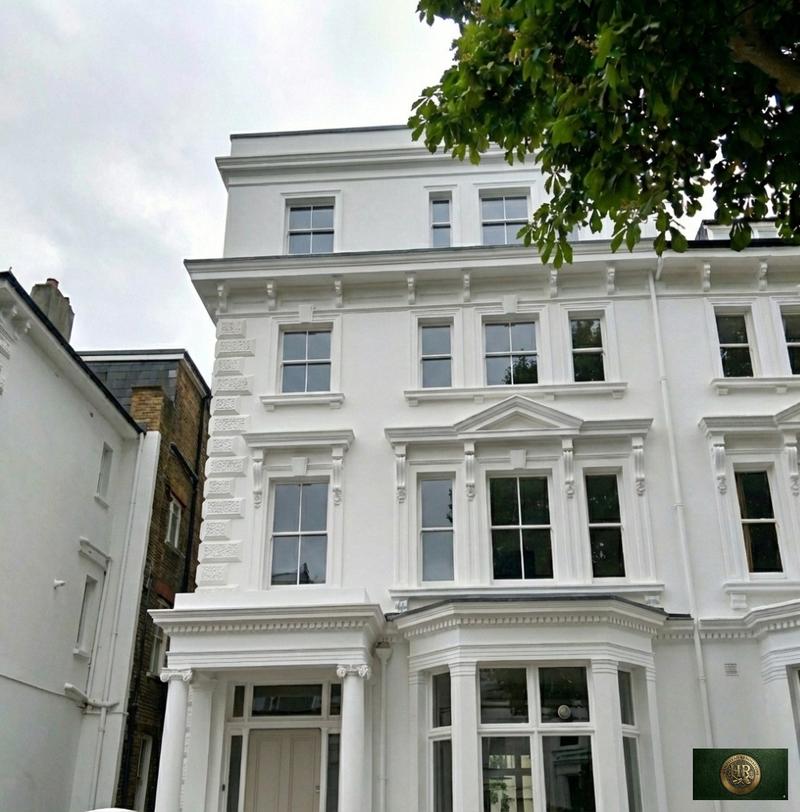
Five-storey house extension, full basement conversion, loft conversion and complete refurbishment within Belsize Park's conservation area.
View Case Study →
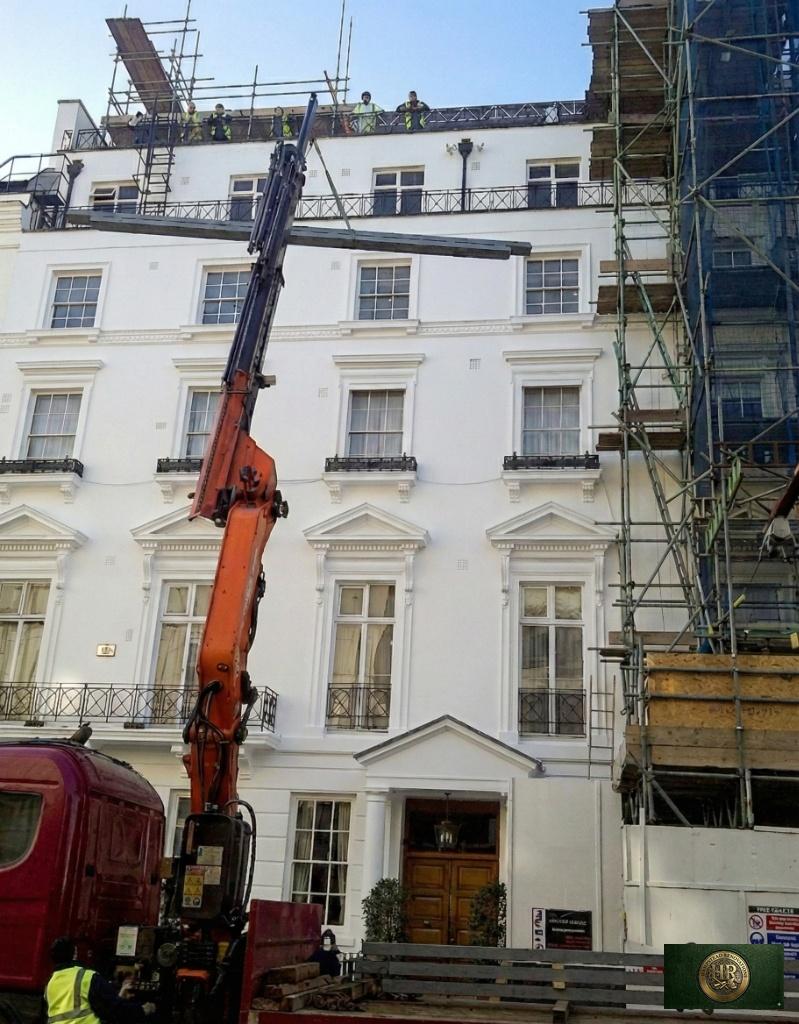
Penthouse duplex refurbishment and roof reconstruction within a Grade II listed setting, unifying the top two levels into seamless luxury living.
View Case Study →
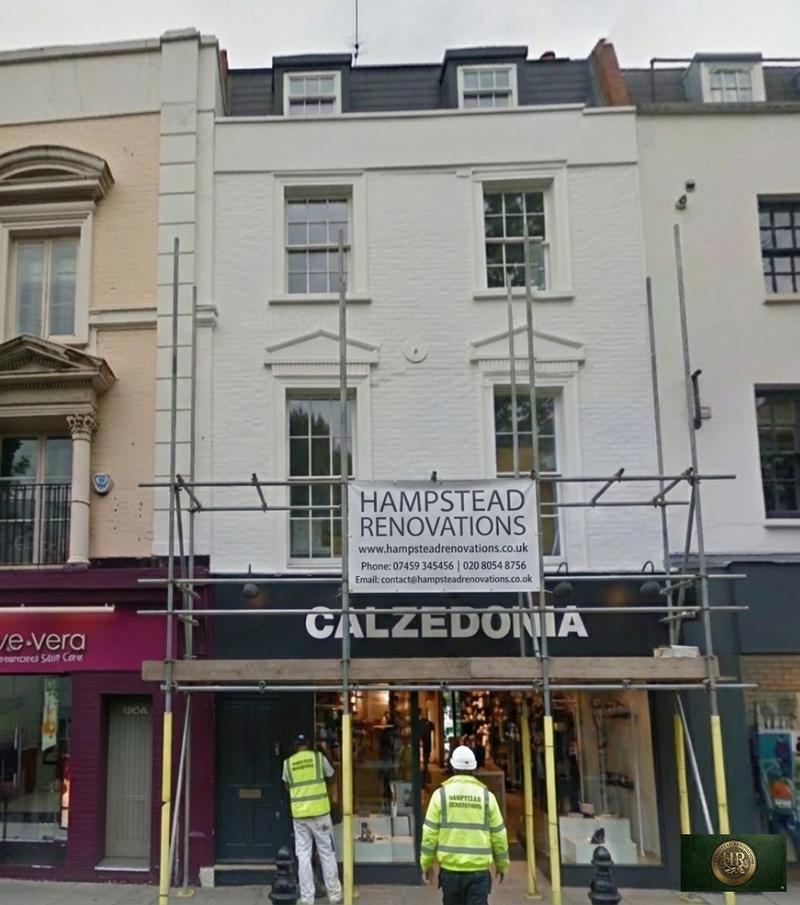
Office-to-retail and residential conversion delivering the Calzedonia store fit-out with three high-spec apartments above, preserving the original façade.
View Case Study →Use these area-specific guide pages to move from broad research into the main build routes people compare in Soho W1.
Yes — Soho's late-night bars, restaurants, and entertainment venues create significant acoustic challenges for residential properties. Westminster requires noise impact assessments for new residential development in the area, and our architects specify acoustic separations as standard for all upper-floor residential projects. We design to achieve the required acoustic standards without compromising the architectural character of the space.
It is possible but challenging. Westminster is protective of Soho's commercial character and scrutinises change-of-use applications from Class E (commercial) to Class C3 (residential) carefully. You must demonstrate vigorously that the commercial use is not viable. Our architects prepare robust planning statements and have secured residential conversion consents in W1F — but pre-application consultation with Westminster is essential before committing to this route.
Townhouse renovations in W1F typically cost £700–£1,200 per square metre. Upper-floor fit-outs range from £650–£1,000 per square metre. Roof terraces cost £35,000–£90,000 typically. Central London logistical constraints (restricted access hours, limited storage, pedestrian management) and conservation area requirements add 15–25% to standard pricing. All projects on fixed-price contracts.
Roof terraces are among the most desirable features in Soho — private outdoor space in the heart of the West End. Westminster requires that terraces are not visible from the street and that acoustic screening is provided. Our architects have successfully secured roof terrace planning consents on several Soho buildings and understand the specific requirements Westminster applies in the conservation area.
Soho's streets are among London's most intensively used, with busy commercial activity at all hours. We manage construction logistics carefully — coordinating delivery schedules, waste removal, hoarding, and scaffolding to minimise disruption to neighbouring businesses and residents. Our site managers have extensive experience of working in central London's most constrained environments.
Yes. Our in-house RIBA architects manage all Westminster planning applications for Soho, including listed building consent, change-of-use applications, conservation area consents, and building regulations. We also prepare noise impact assessments and acoustic design specifications for residential projects adjacent to Soho's late-night venues.
Our initial consultation is free and carries no obligation. Visit our design studio on Finchley Road to explore material selections, meet our team, and discuss your project in person.
We offer renovation consultations by appointment at 2 Eaton Gate for Central and South West London clients.
This gives clients a convenient Prime Central London meeting location for high-end refurbishments, listed homes, conservation properties, basements, extensions and full home renovations.
One team, one contract — from feasibility drawing to handover photograph. RIBA chartered architects, IStructE chartered engineers, RICS regulated surveyors, and FMB-registered build teams, all under a fixed-price design-build contract.
View Our Soho Builders Page